The Eight Skills Every Cruiser Needs
Date: June 9, 2026Ever thought about cruising the open oceans? Cruisers University can make that dream a reality.
By Ryan Gullang
Ever pictured yourself crossing an ocean or dropping anchor off some palm-fringed island? It’s a fine daydream, and a reachable one too. The distance between the armchair and the cockpit comes down to a handful of skills. Below are the top eight you need to close the gap between here and the horizon as well as links to the Cruisers University classes (October 12-16) that teach them. Click through to learn more.
Navigation
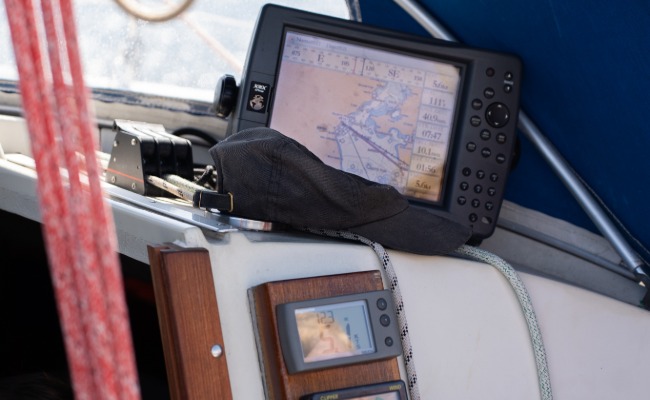
In cars, road maps have gone the way of eight-track players and ashtrays. Just as GPS has revolutionized the way we get around on land, so it has on water, but we’re still not quite at the point where you can ask Siri to lay a course for the Galapagos. That’s why it’s worth taking a holistic approach to navigation. Effectively planning a passage on a chartplotter is trickier than it seems and, should anything go awry, it pays to have good ol’ paper charts and the wherewithal to use them.
Reading the Weather
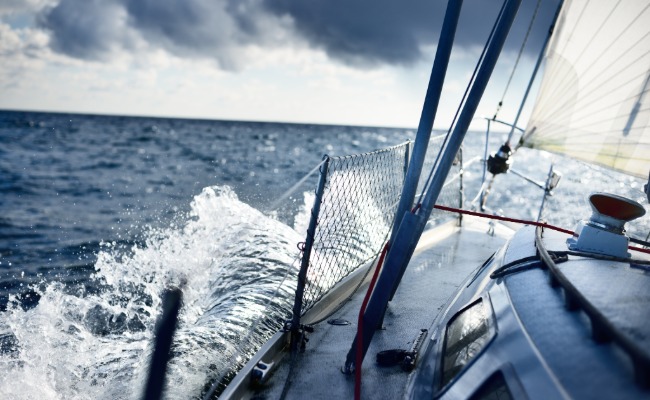
If you’ve spent enough time around sailors, you’ve probably heard the old chestnut, there’s no such thing as bad weather, only bad clothing. While there’s some truth to that, when faced with Force 12 winds, few find themselves wishing for a heavier pair of socks (fresh undergarments, perhaps). That’s why it’s best to learn to read the weather and plan your course accordingly.
On-Water Safety
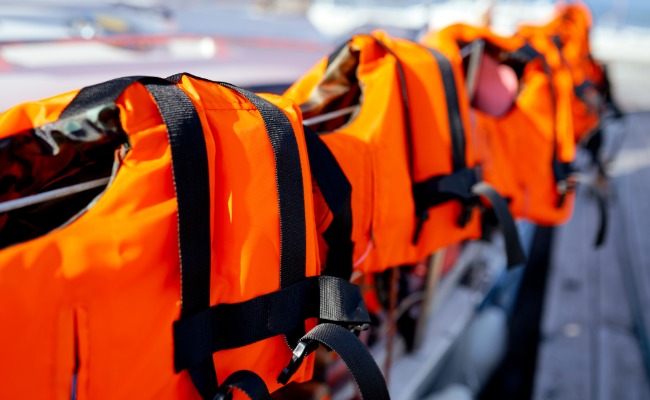
What do you do when a crew member goes overboard? Or when you start taking on water outside the range of radio communications? Safety isn’t the sexiest part of your sailing skill set, but it might just be the most liberating. Knowing the real risks and how to address them frees you to fully enjoy your time on the water. This becomes especially apparent when you’re sailing shorthanded or alone. And whenever sailing outside the range of rapid rescue response, it’s worth being prepared to handle any medical emergencies that may arise too.
Docking and Anchoring
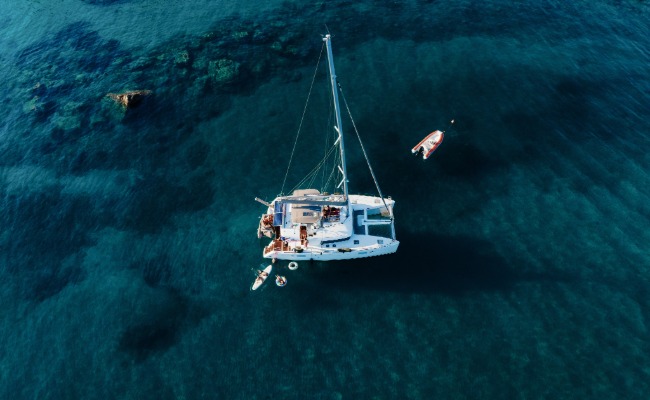
Nothing is worse than heading to shore to stretch your legs and restock provisions, only to discover upon your return that your boat has continued on its journey without you. Indeed, anchoring is the art of finding your boat more or less where you left it. Docking is similarly important. Stateside, you might be able to ask a kindly marina patron for help; however, when you arrive in Calais, if you’re not confident that single semester of French covered the phrase “You’re about to crash into the piling again,” you’ll want to have docking down.
Electrical Systems
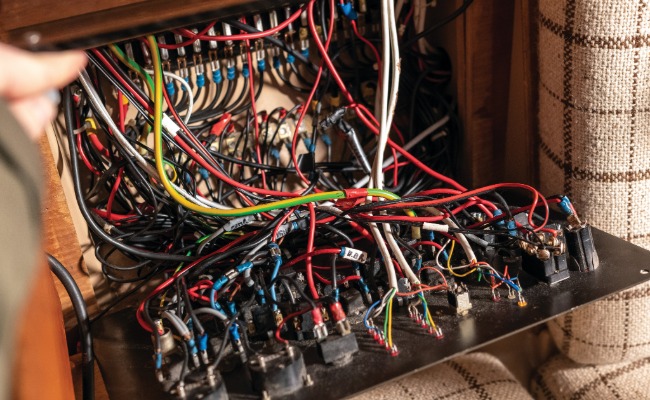
Most folks go through life blissfully unaware of how the technology around them works. Cruisers do not have that luxury. Just like everything in our lives, today’s boats are equipped with more gadgets then ever: batteries, solar panels, watermakers, satellite internet. Anything onboard a boat is liable to break at some point; and when you’re 300 miles from shore, you’d better have the ability to fix it or go without.
Engine Maintenance and Repair
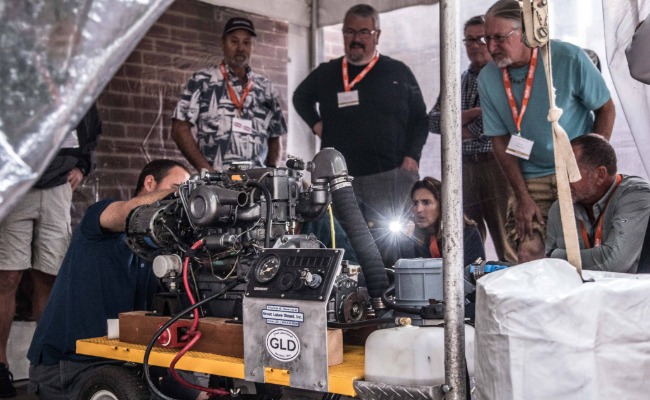
Keeping an old diesel inboard running is its own art form. It requires patience, diligence, flexibility, and an even mix of issued verbal threats and pleading. That said, technical proficiency can go an awful long way. Nothing may save you and your crew more consternation (and money) than learning how to troubleshoot, maintain, and repair your engine.
Fiberglass Repair
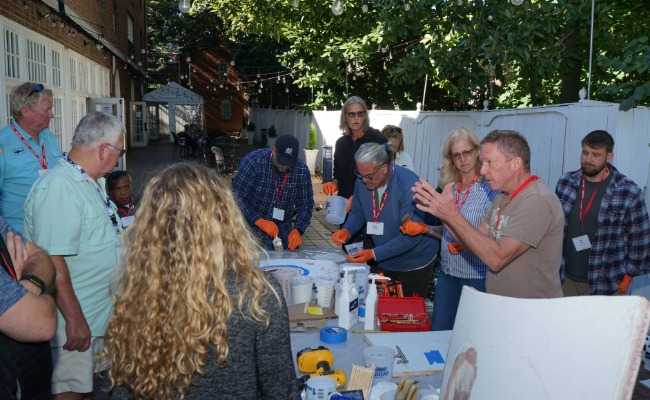
Fiberglass is a truly marvelous material, but anyone who’s worked with it will tell you it can be finicky too. Resins can be temperamental, and fiberglass cloth will leave you itchy if at all mishandled. Learning to patch holes and fill blisters is certainly a skill worth having, not least because it compensates for any deficiencies in your docking abilities.
Provisioning
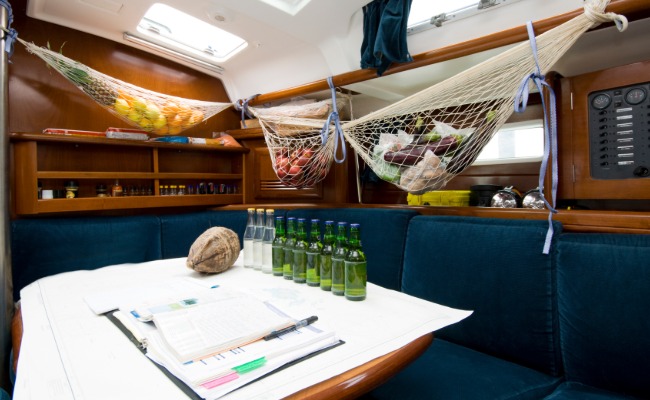
Mutiny seems like an antiquated notion until the fifth straight day of eating nothing but instant oatmeal. That is to say, proper provisioning is not only crucial to the health of your crew, but to their well-being too. And if you’re looking for a real challenge (and an unforgettable meal) you can always take a swing at catching your own dinner.
Cruisers University runs October 12-16 with more than 70 classes covering all the subjects listed above plus marine biology, line splicing, turning your voyage into a blog or vlog worth following, and much more. And the classes are tailored to cruisers of any ambition, whether it’s a circumnavigation or a simple overnight on the next creek over. Click here to see the full course list and start building your skill set.